
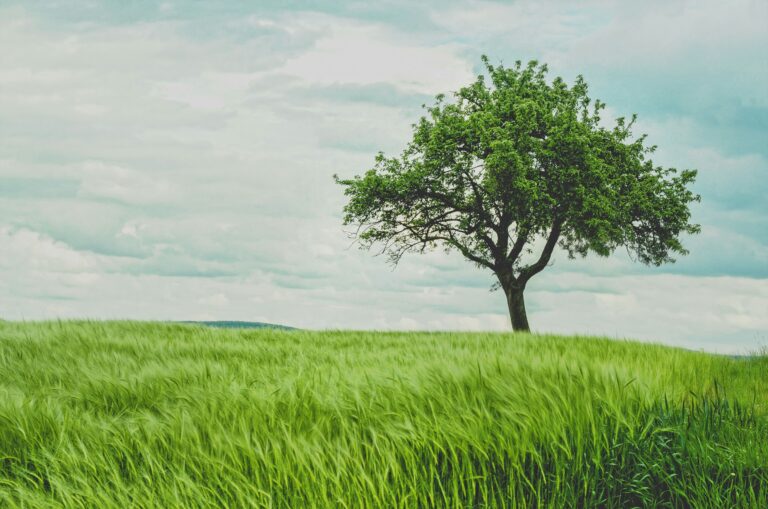
Write a description of an place that has some real meaning for you–the tree where you had a tire swing growing up, the dog park where you always take your dog, the oak tree where you sit when you just want to feel calm–any specific place outdoors that has had some meaning to you in your life. Include sensory details that show what the place looks and feels like–specific colors, smells, the way it feels.
I have only worked on the boat for two summers, but the changes are evident. The crab pots come up dry, or infested with whelks who have eaten away anything else that might have been there. We don’t catch silversides anymore. Lucky me got a few ghost shrimp on one trip, but no one else had much success. Captain Don knows it too. He sighs when we pull up to the beach. There is almost no sign of life, just some molts from older crabs. The water is warm. The type of warm you would prefer for a pedicure. And the people ask why it’s so warm, and all I can do is shrug my shoulders because I hope it will pass. The birds used to line the shore on the way out. Where have they gone? The egrets would stand vibrantly white, four feet tall. I saw maybe four the entire season. Their food is gone and the water is warm. We advertise the otters, the healthiest sign for our waterway, but who’s kidding, no one has seen a river otter in the Peconic in years. Our blind optimism leads the boat tours. “This time, the crab trap will be full”, I thought to myself, the wind whipping my face. But the crab pots are always empty now. The water is too warm for the spider crabs to stay. They used to be all over. Captain Don tells me I’m not the only one, “they have been empty all season, and it’s not going to change”.
During my spiel as a naturalist, I let everyone know the Peconic used to be the largest supplier of shellfish in the United States. This fun fact does not make me take pride in the waterway I work on. Those shellfish are gone. Those shellfish are not coming back. The Peconic would become the state’s largest seafood boil if those numbers returned. We relish the osprey nest we pass on the way back and forth. What a victory for mankind! We injected them with pain and depleted their population, but hey, they came back! Is the one nest we pass sufficient enough to make anyone feel that way? Keep everyone up on a pedestal, the ospreys are only here because we let them come back. The swans too. The swans should be thanking us! They wouldn’t have all this to feast on if not for being lawn decorations for the 18th century. And they should be thankful for the laziness of their caretakers, who have let them have free range of the country. But why would a swan be thankful for a warming bay it has been forced to call home? Living amongst the phragmites, who also have no choice but infest the shorelines at a rapid rate. This is not Australia, but the phragmites will like the warmth.
The boat returns to the dock. Everyone says thank you. I nod my head in agreement. I will then think about the warm, empty crab pots. Captain Don thinks about it too.